Think veggies are just veggies? Think again. Microgreens are tiny, young greens harvested early in their growth cycle, yet they pack a nutrient punch that can outshine their full-grown counterparts. These little leaves may be small, but they can make a big impact on your health, meals, and overall diet.
What Are Microgreens?
Microgreens are young seedlings of vegetables and herbs, harvested just after their first true leaves appear. Unlike sprouts, which are germinated seeds eaten with their root, microgreens are grown in soil or other mediums and harvested above the soil line, making them more nutrient-dense. Compared to mature greens, microgreens are packed with concentrated vitamins, minerals, and antioxidants — sometimes up to 40 times more depending on the variety. Popular microgreens include radish, broccoli, sunflower, pea shoots, and basil.
Health & Nutrition Benefits
Microgreens are not just visually appealing; they are nutritional powerhouses. Studies have shown that microgreens often contain higher levels of vitamins C, E, K, beta-carotene, and minerals such as calcium, iron, and magnesium compared to mature greens. Their antioxidant content can help fight inflammation, support heart health, and boost the immune system. Adding microgreens to your meals is an easy way to enhance your daily nutrient intake without making drastic changes to your diet.
Flavor & Culinary Versatility

Besides being nutritious, microgreens are intensely flavorful. From peppery arugula and spicy radish greens to sweet basil and tangy mustard, their concentrated flavors can elevate almost any dish. Sprinkle them on top of salads, sandwiches, soups, smoothies, or main courses for added color, texture, and taste. Even simple meals like avocado toast or scrambled eggs get a fresh, gourmet twist with a handful of microgreens.
Easy to Incorporate — Even on a Busy Schedule
One of the best things about microgreens is how effortless they are to use. No chopping or extensive prep is required — just rinse and toss. A few leaves can instantly boost the nutrition of your breakfast, lunch, or dinner. Their small size also makes them ideal for garnishing dishes, turning even ordinary meals into nutrient-rich, visually appealing plates.
Home-Growing vs Buying
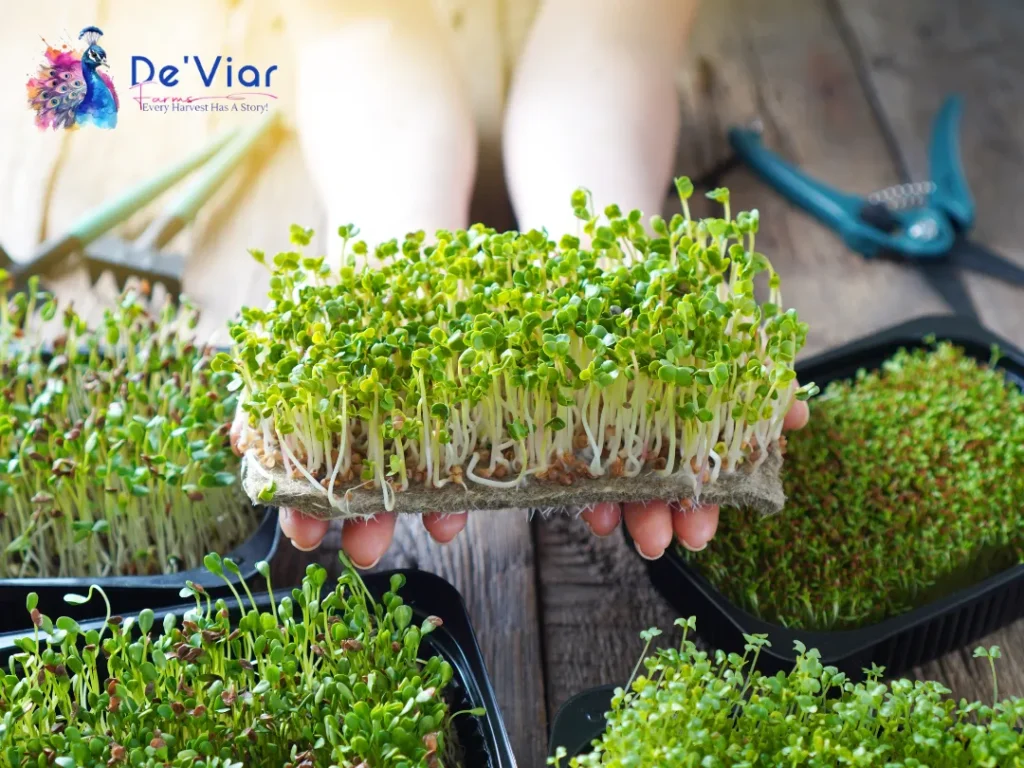
Microgreens are easy to grow at home, even if you have limited space. You’ll need shallow containers, potting soil or a growing medium, water, and adequate light (sunlight or grow lights). Seeds typically sprout in 3–7 days and are ready to harvest in 1–3 weeks. Growing your own ensures maximum freshness and can be cost-effective in the long run.
If you prefer convenience, many grocery stores, farmers’ markets, and online retailers sell fresh microgreens. While store-bought microgreens are slightly more expensive and may have a shorter shelf-life, they’re perfect for busy schedules or when you want a quick nutritional boost.
Our Favorite Microgreen-Rich Recipes
Here are a few simple ways to enjoy microgreens:
- Microgreen Salad: Toss a mix of microgreens with cherry tomatoes, cucumbers, a drizzle of olive oil, and balsamic vinaigrette.
- Avocado Toast Upgrade: Spread mashed avocado on whole-grain bread and top with a handful of peppery microgreens.
- Green Smoothie Boost: Blend spinach, banana, almond milk, and a small handful of microgreens for an extra nutrient-packed drink.
Practical Tip
Incorporate microgreens into your daily meals for a nutrition boost that requires minimal effort. Even a small handful on your dinner plate can add flavor, color, and a concentrated dose of vitamins and minerals. Your body—and taste buds—will thank you.
Ready to Add Microgreens to Your Plate?
Call or text Darin directly at (806) 673-8324 to get fresh, nutrient-packed microgreens delivered or picked up from the farm today!