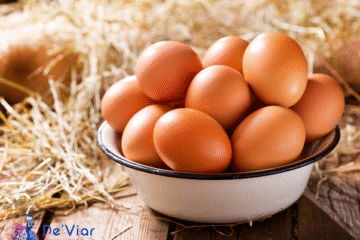
Ever cracked an egg only to be disappointed by a pale, watery yolk instead of that deep golden-orange you see on cooking shows? That difference may not just be cosmetic — it could signal a big gap in freshness, nutrition, and flavor between store-bought eggs and farm-fresh eggs straight from a local farm.
Nutritional Quality & Flavor
The diet and environment of a hen play a significant role in the quality of the eggs it produces. Chickens on small, local farms often have access to fresh greens, grains, and even insects, which can boost the nutritional profile of their eggs. These eggs are richer in vitamins like A, D, and E, and may even contain more omega-3 fatty acids compared to typical store-bought eggs.
Flavor is another area where farm-fresh eggs shine. Many people notice that the yolks are richer, creamier, and more vibrant in color — a deep golden-orange rather than a pale yellow. That difference comes from a combination of diet, freshness, and the care hens receive. For home cooks and chefs, these small differences can elevate everyday dishes, from simple scrambled eggs to delicate pastries.
Freshness & Safety
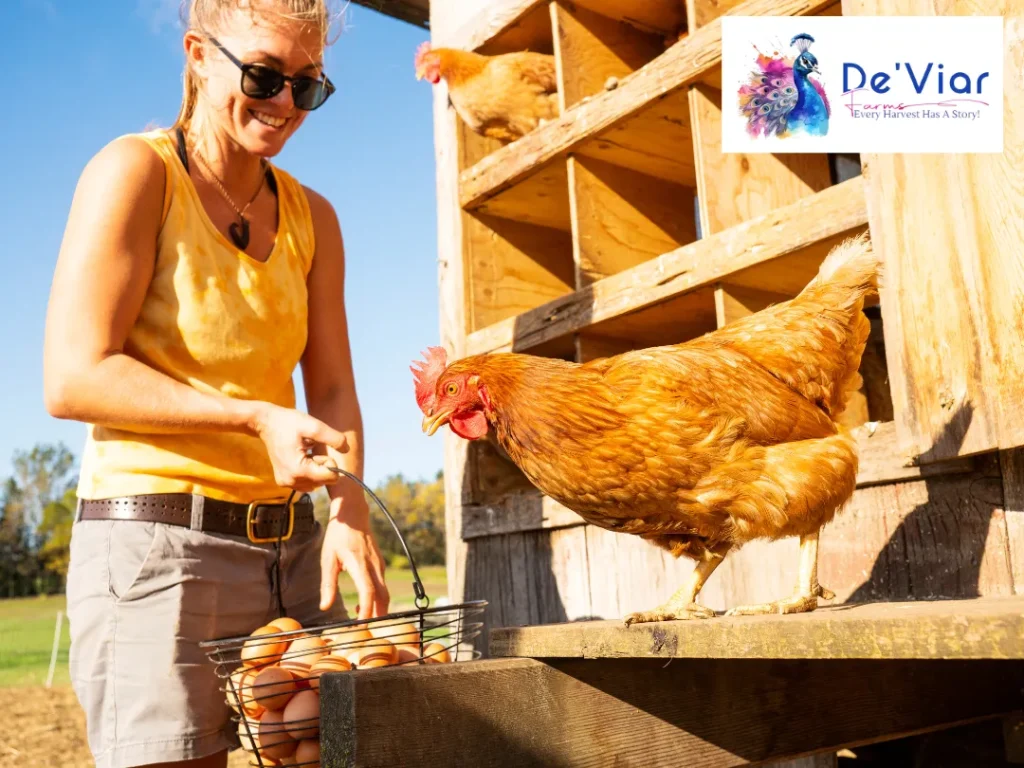
Freshness is a key factor in both taste and safety. Farm eggs are often collected daily and cooled quickly, reducing the chance of spoilage. In contrast, store eggs can spend weeks in transport, on shelves, and in storage, which can affect texture, flavor, and nutrient quality. Fewer handling stages also mean farm-fresh eggs are less exposed to potential contaminants, giving you peace of mind when serving them to your family.
Animal Welfare & Sustainable Farming
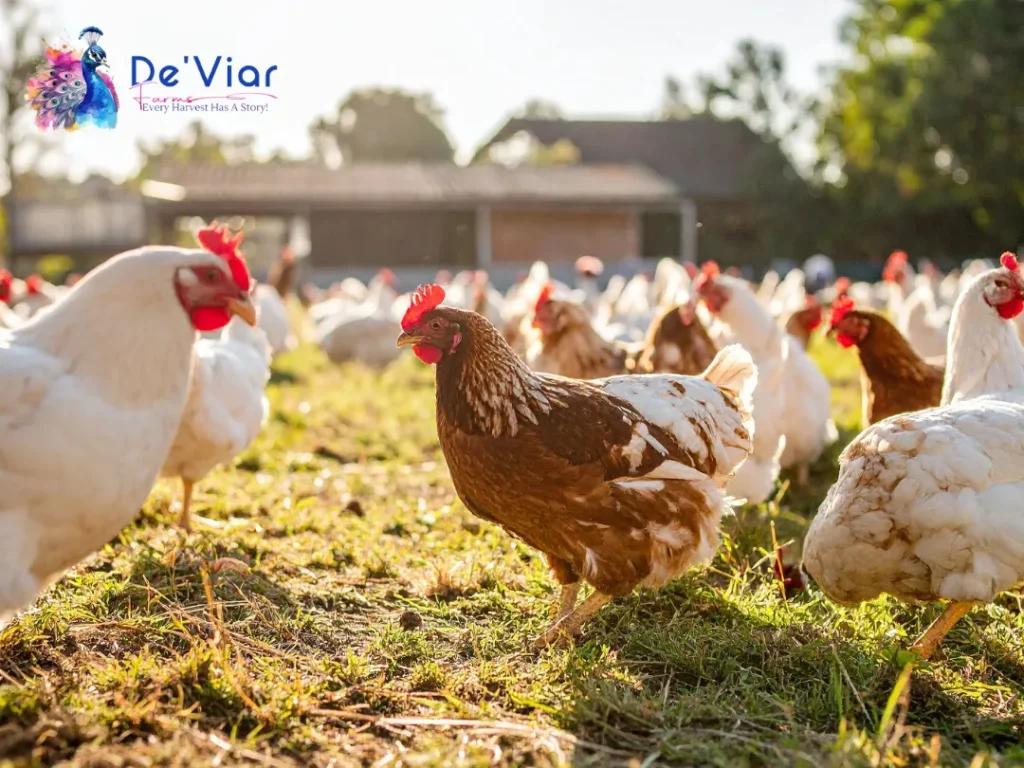
Choosing farm-fresh eggs often supports farms that prioritize the welfare of their hens. Free-range or pasture-raised systems allow chickens more room to roam, natural feed options, and cleaner living conditions. Supporting these farms means supporting ethical practices that consider the environment and the animals’ well-being, unlike some large-scale industrial operations where hens are confined and feed is limited to low-cost grains.
Why Freshness Counts in Recipes
Fresh eggs don’t just taste better — they also perform better in cooking and baking. For example, fresh eggs hold together better when poached, create fluffier omelets and scrambled eggs, and give baked goods a stronger rise. Their yolks are firmer, their whites more viscous, and their flavors more pronounced. Substituting fresh eggs for standard store-bought ones can transform your recipes in ways you might not expect.
How to Get & Store Farm-Fresh Eggs
If you want to enjoy the benefits of farm-fresh eggs, look for local farmers’ markets, co-ops, or farm stands. Some farms even offer direct delivery or CSA (community-supported agriculture) programs. Once you have them, store your eggs in the refrigerator with the pointed end down to maintain freshness. Rotate your stock regularly, and aim to use the freshest eggs first. Most farm-fresh eggs last about three to five weeks when properly stored.
Questions to Ask When Buying Eggs
Not all farm eggs are created equal. When purchasing, ask about:
- The hens’ diet: Are they pasture-raised? What do they eat?
- Storage and handling: How soon are eggs collected and cooled?
- Housing conditions: Are the hens free-range or confined?
- Cleanliness practices: How are eggs cleaned before sale?
These questions help ensure you’re getting eggs that are fresh, nutritious, and ethically produced.
Practical Tip
Next time you make breakfast or bake a treat, try substituting your store-bought eggs with farm-fresh ones. From omelets to muffins, the difference in flavor, texture, and quality is often immediate — and it’s a simple way to support local farms while enjoying a healthier, more delicious meal.
Ready to Taste the Difference?
Call or text Darin directly at (806) 673-8324 to get your fresh farm eggs today and bring farm-to-table freshness straight to your kitchen!